


Precision Teaching: Boost Learning and Unlock Potential

Precision Teaching is an excellent approach for supporting learners who need additional help mastering a variety of skills, from academic skills like reading and spelling to more varied targets such as fine motor movements. It's a method that carefully tracks progress and focuses on teaching at just the right level for each child. This can be particularly beneficial for children with special educational needs (SEN), who may struggle with traditional teaching methods and need a more tailored approach. In this blog, we'll explore what Precision Teaching is, how it's deeply connected to Applied Behaviour Analysis (ABA), and why it's crucial that it be guided by a consultant Behaviour Analyst to ensure its effectiveness.

What is Precision Teaching?
Precision Teaching (PT) comes from the field of Applied Behaviour Analysis, which studies how people learn and behave. In the 1960s, Dr. Ogden Lindsley created PT to help students learn more effectively by breaking down skills into smaller steps and using data to guide teaching. PT uses key ABA principles such as pinpointing specific behaviours, measuring them accurately, and using visual data to make informed decisions. It also relies on setting clear, achievable goals and using positive reinforcement to motivate students. Because PT is rooted in these ABA methods, it's more than just a teaching strategy—it's a scientific approach to learning that needs careful oversight. The UK Society for Behaviour Analysis (UK-SBA) recommends that Precision Teaching be supervised by a qualified Behaviour Analyst, to make sure it's done correctly and benefits children as intended.
Here are a few models based on the science of Behaviour Analysis. Regardless of the name, each of these service delivery models should be overseen by a qualified Behaviour Analyst.
UK Society for Behaviour Analysis, About Behaviour Analysis
- Early Intensive Behavioural Intervention (EIBI)
- Verbal Behaviour (VB) model
- Positive Behaviour Support (PBS)
- Schoolwide Positive Behaviour Interventions and Support (PBIS)
- Pivotal Response Training (PRT)
- Precision Teaching
- Acceptance and Commitment Therapy (ACT)
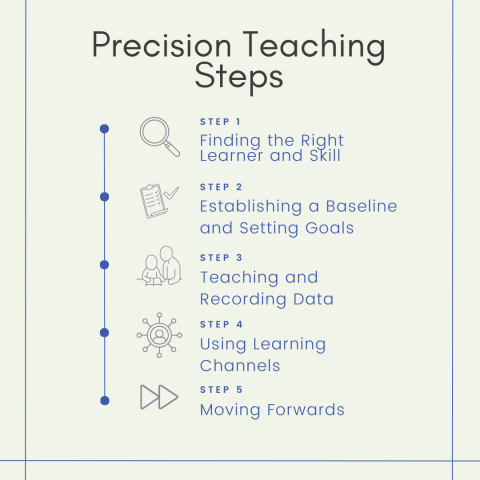
Finding the Right Learner and Skill
The first step in using Precision Teaching is to identify a child who would benefit from this approach. This might be a child who is making slower progress in school, especially with subjects that require applying concepts, like phonics in reading or basic numeracy skills. These children may also show signs of low self-esteem or difficulty concentrating in class. It's important that a trained Behaviour Analyst is involved in this process, as they can ensure that Precision Teaching is the right fit for the child and that it's used effectively.
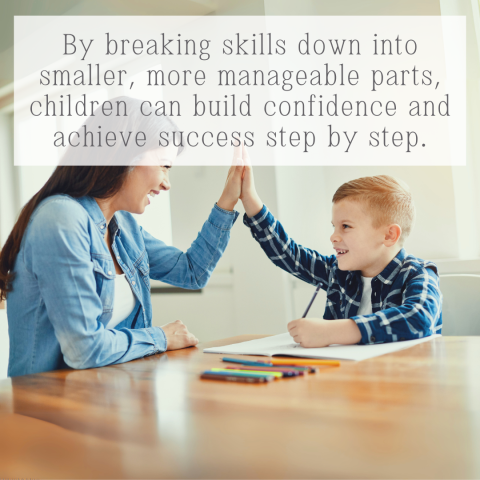
Once a child has been identified, the next step is to choose a specific skill they are struggling with. This could be something like reading high-frequency words or mastering number bonds in maths. The chosen skill should be clear and focused, so progress can be easily tracked. This level of precision is one of the key aspects that sets PT apart from other teaching methods. By breaking skills down into smaller, more manageable parts, children can build confidence and achieve success step by step.
Establishing a Baseline and Setting Goals
To begin, it's essential to establish a baseline. This means finding out exactly where the child is starting from by measuring how many of the target words or math facts they can already do correctly. For example, if the goal is to learn high-frequency words, you might check how many out of a set of 100 the child can read correctly in one minute. This starting point helps set a clear picture of where they are and what they need to learn next. Again, a qualified Behaviour Analyst can play a crucial role here by ensuring that the baseline is accurate and that the skills being targeted are appropriate for the child's current abilities.
Next, you set a goal for the child to work towards. This is often called an "Aim Rate," and it's based on what the child should be able to do in a one-minute time frame. For example, the goal might be for the child to read 25 high-frequency words correctly at a rate of at least 15 words per minute, without making errors. Standard fluency goals have been established for a wide range of skills through research studies (e.g. Kubina, R. M., 2002). Goals should be challenging but achievable, so the child experiences success and builds confidence. Setting the right Aim Rate is another area where a Behaviour Analyst's expertise is invaluable, as they can help ensure the goal is based on research, and realistic.
Teaching and Recording Data
Once you have a goal, it's time to choose which specific elements to teach first. You might start with five or so elements, like five words or sounds, making sure to include one or two the child already knows to boost their confidence. The number of elements can be adjusted based on how quickly the child is progressing.
It's important to teach in short, focused sessions—about 5 to 10 minutes long—two or three times a day if possible. This frequency helps keep the learning fresh and increases the chances of success. Every teaching session should include recording data on the child's performance, specifically counting how many correct and incorrect responses the child makes during each practice session. Keeping track of this data daily allows parents and teachers to see patterns and make adjustments as needed.
Using Learning Channels
A unique aspect of Precision Teaching is its use of 'learning channels.' These are combinations of the ways a child takes in information (like seeing or hearing) and how they respond (like saying or writing). For example, a child might practice the skill of "see-say" for reading words (seeing the word, then saying it out loud) or "hear-write" for spelling (hearing the word, and writing it down). By focusing on these specific combinations, PT ensures that children are not only learning the skill but can also apply it in different contexts. Using the right learning channel means that children can retain skills better, and generalise their knowledge.
Moving Forwards
When the child has reached the set goal consistently over a few days, you can move on to the next phase. This might mean choosing a new set of words or math facts to learn or moving on to a new skill entirely. The aim is to continue building on what the child has learned, gradually increasing their confidence and ability. Throughout this process, the guidance of a qualified Behaviour Analyst ensures that the teaching is effective, at the right pace, and that the child is making meaningful progress while motivated and engaged.
Precision Teaching can be a powerful tool for helping children with SEN, typically used in schools to support students who need extra help mastering basic skills. It provides a clear, structured way to help children make progress by breaking down skills into small steps, teaching in short bursts, and using data to guide the process. For parents, understanding how Precision Teaching works can offer reassurance that their child is receiving targeted support. Educators can benefit from the method's data-driven approach to tailor instruction and monitor progress closely. With the oversight of a qualified Behaviour Analyst, Precision Teaching can be a valuable part of a comprehensive education package, ensuring that children receive the most effective support in their learning.
When you subscribe to the blog, we will send you an e-mail when there are new updates on the site so you wouldn't miss them.
About the author

Hours
| Monday | 9.00am | 6.00pm |
| Tuesday | 9.00am | 6.00pm |
| Wednesday | 9.00am | 6.00pm |
| Thursday | 9.00am | 6.00pm |
| Friday | 9.00am | 6.00pm |
| Saturday | 9.00am | 3.00pm |
| Sunday | Closed | Closed |